
Category: Laboratory Science

How Disease Surveillance Begins in the Laboratory
Laboratory results can reveal unusual patterns that help public health teams detect, investigate and monitor outbreaks, making laboratories an important part of disease surveillance and early warning.

The Future of Genetic Testing: From Research Labs to Everyday Medicine
Genetic testing is moving from research settings into everyday medicine, expanding how clinicians can investigate inherited conditions, support diagnosis and use genetic information in care.
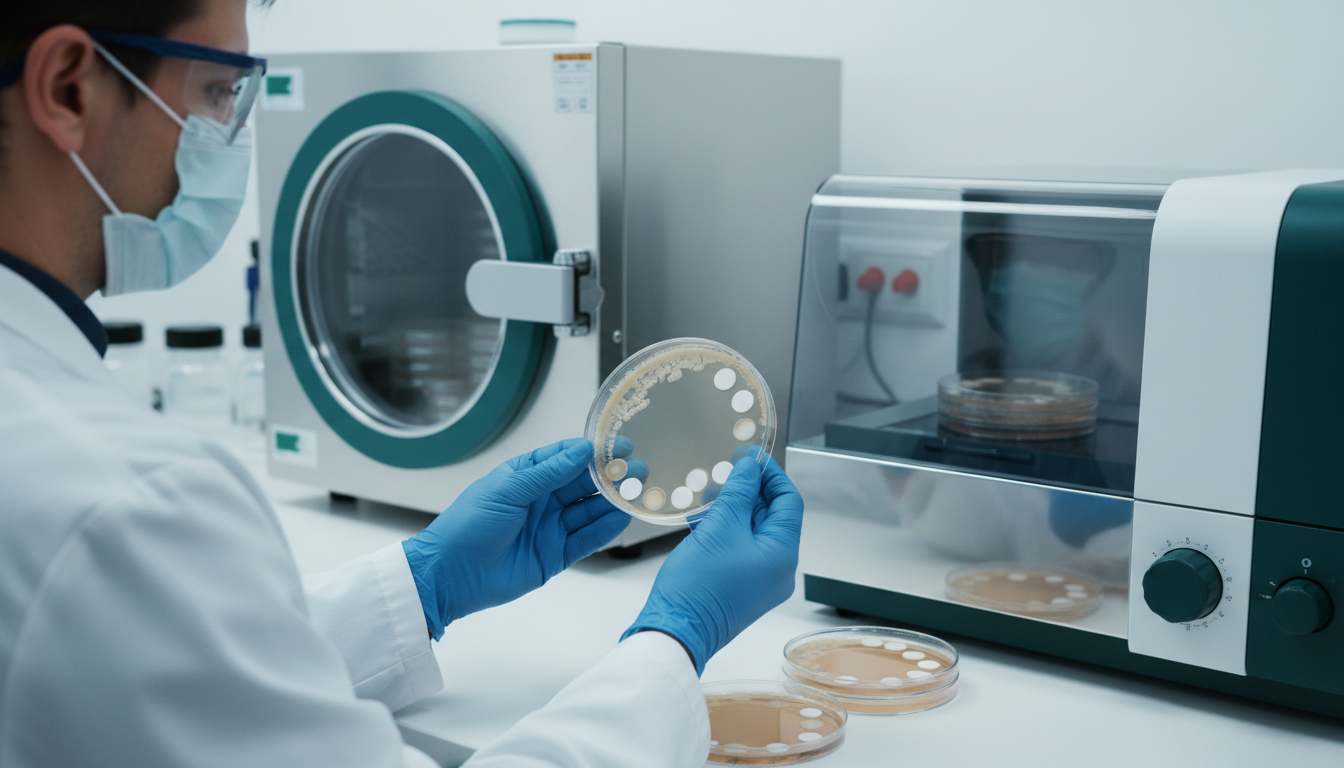
Antibiotic Resistance: Why the Laboratory Matters
Antibiotic resistance occurs when bacteria become able to survive medicines that once worked against them. Laboratories help identify bacteria, test their response to antibiotics, support treatment decisions and track resistance patterns that matter to public health.

How Artificial Intelligence Is Changing Diagnostic Laboratories
Artificial intelligence is increasingly being used in diagnostic laboratories to support workflow, data analysis, image interpretation and other tasks, while laboratory professionals remain responsible for oversight and quality.

What Wastewater Can Tell Us About Community Health
Wastewater can contain biological signals from a community. When sampled and analyzed carefully, it can complement clinical surveillance by helping public health teams observe population-level trends and possible changes in disease activity.